



GMC Sierra 1500 Weight - Complete Guide & Specs
Did you know your GMC Sierra 1500 can weigh over 1,000 pounds more or less? This big difference changes how much fuel it uses, how much you can tow, and how much you can carry.
Knowing your truck's weight is key for safe driving and best performance. It's important whether you're moving stuff for work or going camping. It keeps you legal and protects your truck.
At D'ELLA Buick GMC in Queensbury, New York, we guide you through the 2024 and 2025 Sierra 1500 models. From the Pro trim for efficiency to the Denali Ultimate for luxury, each has its own weight.
Many things affect your Sierra 1500's weight. The engine, cab size, bed length, and trim level all matter. Our detailed guide helps you understand these to choose the right truck.
Want to see our wide range of Sierra 1500s? Come visit us today. You'll see these powerful trucks up close.
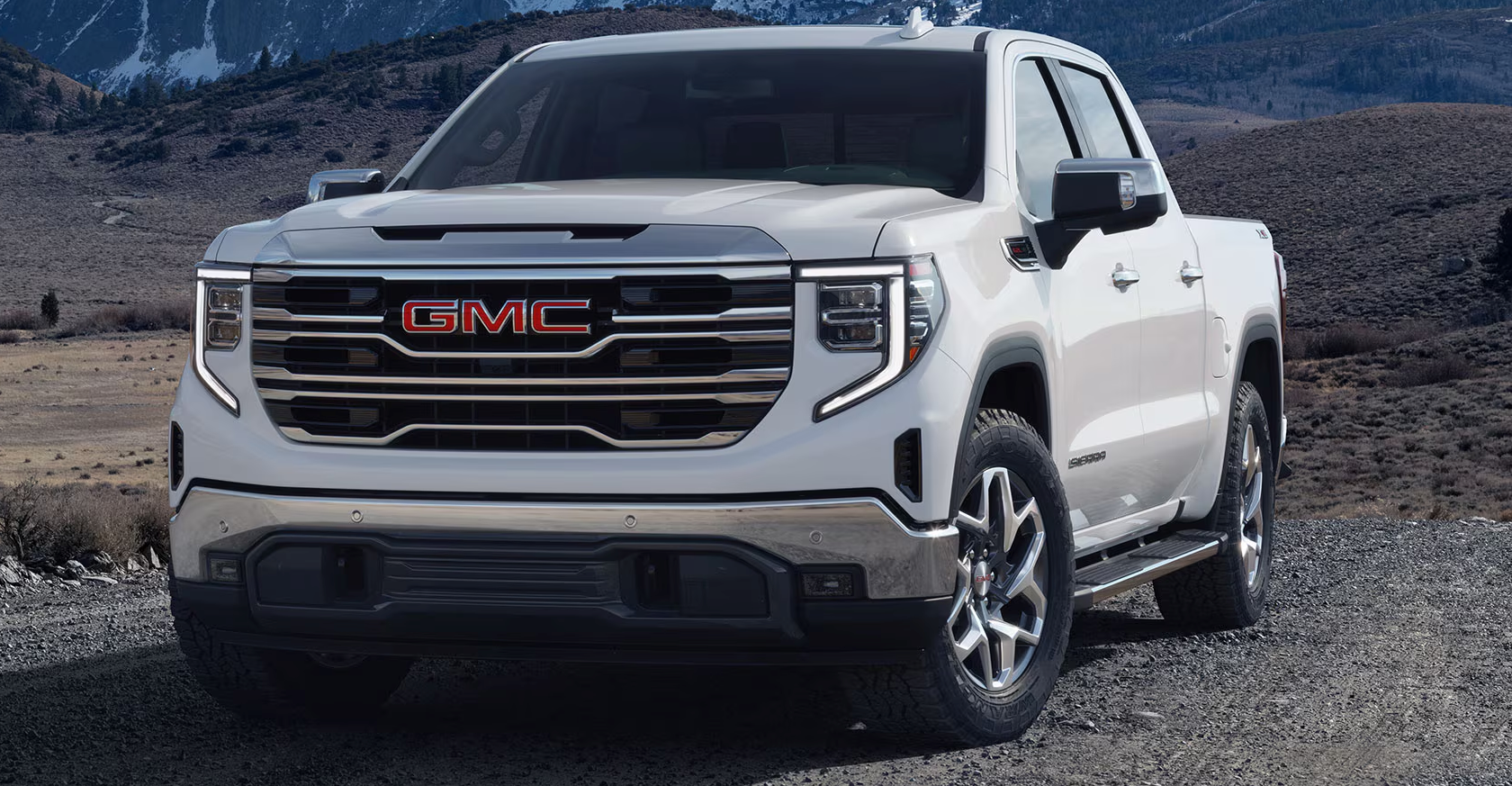
How Much Does a GMC Sierra 1500 Weigh: Essential Weight Specifications
GMC truck weights vary across Sierra 1500 trim levels. Each model has its own specifications. Knowing these details helps our customers at D'ELLA Buick GMC choose the right truck for them.
The base Pro model starts around 4,520 pounds for regular cab configurations. It focuses on work without luxury, keeping weight down. The TurboMax engine and 8-speed transmission offer efficiency.
Moving up, SLE and Elevation models add weight with comfort features. They weigh between 4,580 and 4,720 pounds, depending on cab size and options. The SLT trim adds more weight, reaching 4,650 to 4,800 pounds with premium interior.
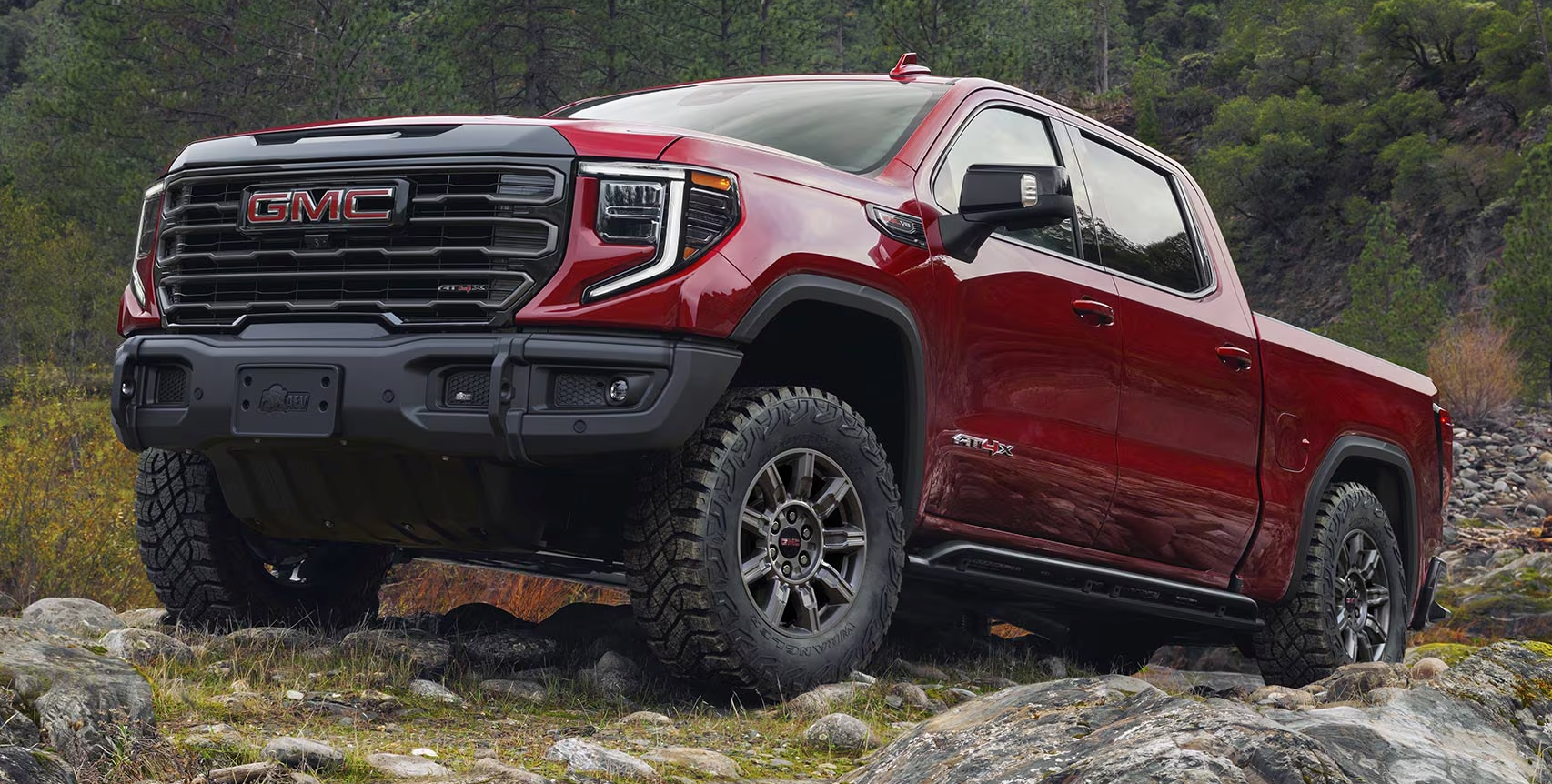
AT4 and AT4X models are heavier for off-road use. They have a 2-inch lift and special suspension, adding 100-150 pounds. These models weigh between 4,700 and 4,900 pounds.
Denali models are the heaviest, with weights of 4,800-5,100 pounds. They have premium materials, advanced tech, and luxury features. The Denali Ultimate is the heaviest with its full feature set.
Understanding curb weight is key. Curb weight includes the vehicle's weight with all fluids but no cargo or passengers. It affects fuel economy, handling, and performance.
| Trim Level | Weight Range (lbs) | Key Features Affecting Weight | Typical Configuration |
|---|---|---|---|
| Pro | 4,520 - 4,650 | Basic features, work-focused design | Regular/Double Cab |
| SLE/Elevation | 4,580 - 4,720 | Enhanced comfort, technology upgrades | All cab configurations |
| SLT | 4,650 - 4,800 | Premium interior, advanced features | Crew Cab preferred |
| AT4/AT4X | 4,700 - 4,900 | Off-road suspension, 2" lift, skid plates | Crew Cab standard |
| Denali/Ultimate | 4,800 - 5,100 | Luxury materials, full technology suite | Crew Cab exclusive |
Weight differences are important for towing capacity and payload limits. Heavier trucks may have less payload but are often more durable.
Customers should think about how weight impacts their needs. Lighter trucks are better for fuel efficiency. Heavier trucks offer more capability and luxury.
GMC Sierra 1500 Weight by Configuration and Model Year
The weight of a GMC Sierra 1500 pickup truck changes based on several key choices. Knowing these variations helps you pick the right truck. We'll look at how different options affect the weight of recent models.
The Sierra 1500 comes in various configurations that impact its weight. Cab styles, bed lengths, and engine choices all play a role. These factors affect how the truck performs, its fuel economy, and its towing ability.
Cab Configuration Weight Differences
Regular Cab models are the lightest option. They weigh between 4,500 and 4,800 pounds, depending on other choices. Their design is streamlined, keeping the mass low while still being functional.
Double Cab models add 200-300 pounds to the base weight. They have more passenger space, which requires extra materials. This balance offers comfort without too much weight.
Crew Cab models are the heaviest. They weigh 300-500 pounds more than Regular Cabs. Their full four-door design and large cabin space need strong structural support.
Bed length also affects the weight. Short beds weigh 50-75 pounds less than long beds. Standard bed sizes fall in between, affecting the curb weight of the GMC Sierra.
Engine Options and Their Weight Impact
The TurboMax engine is standard for Pro and SLE trims. It's a four-cylinder engine that keeps the truck's weight down. Its compact size reduces the front-end mass.
The 5.3L V8 engine adds 100-150 pounds. It's a popular choice for its power and reasonable weight. Many like this balance of performance and efficiency.
The 6.2L V8 engine, found in 4WD models, is the heaviest option. It adds 150-200 pounds over the TurboMax. Its larger size and robust build contribute to the extra weight.
The 3.0L Duramax Turbo Diesel I6 is between the gas engines in weight. It adds 125-175 pounds over the TurboMax. Its efficiency makes up for the extra mass for many buyers.
Recent Model Year Comparisons
The 2023 model year introduced weight-saving technologies and materials. GMC aimed to reduce unnecessary mass while keeping strength. These improvements continued into later years.
2024 and 2025 models saw minor changes in weight. Adjustments in materials and components affected the overall mass. The changes were usually within 25-50 pounds between years.
| Configuration | Engine Type | 2023 Weight (lbs) | 2024 Weight (lbs) | 2025 Weight (lbs) |
|---|---|---|---|---|
| Regular Cab Short Bed | TurboMax | 4,520 | 4,495 | 4,485 |
| Double Cab Standard Bed | 5.3L V8 | 4,875 | 4,850 | 4,840 |
| Crew Cab Short Bed | 6.2L V8 | 5,125 | 5,100 | 5,090 |
| Crew Cab Standard Bed | 3.0L Duramax | 5,050 | 5,025 | 5,015 |
Payload and Towing Capacity Considerations
Knowing your GMC Sierra 1500's payload capacity is key to smart hauling. The truck's curb weight affects how much you can carry and tow safely.
Your Sierra 1500's Gross Vehicle Weight Rating (GVWR) minus curb weight equals max payload. Heavier trims with more features have less payload than basic ones. This ensures safe operation.
Engine choice greatly impacts towing capacity. The TurboMax engine can tow up to 9,500 pounds. The 5.3L V8 is good for most hauling needs. The 6.2L V8 is better for heavy-duty tasks.
The 3.0L Duramax Turbo Diesel I6 is great for towing and fuel economy. Many choose it for regular trailer hauling.
| Engine Option | Max Towing Capacity | Best Use Case |
|---|---|---|
| TurboMax | Up to 9,500 lbs | Weekend boats, small trailers |
| 5.3L V8 | Varies by config | General hauling, daily use |
| 6.2L V8 | Higher capacity | Heavy equipment, large trailers |
| 3.0L Duramax Diesel | Enhanced performance | Frequent towing, fuel efficiency |
Weight distribution is key for towing safety. Aim for 10-15% tongue weight of trailer total weight. Weight-distributing hitches keep vehicles stable under heavy loads.
The Max Trailering Package boosts payload capacity on select trims. It includes upgraded cooling and suspension. These features improve performance under heavy loads.
Real-world examples show these capabilities. Weekend boat owners might pick the TurboMax engine. Construction pros often choose the 6.2L V8. RV enthusiasts prefer the Duramax diesel for long trips.
Staying within specs protects your investment. Exceeding limits can harm your truck. Always check your specific ratings before loading or towing.
Choose your Sierra 1500 based on your hauling needs. Match the engine and trim to your use. This ensures the best performance and longevity.
Visit us Today!
Knowing how much a GMC Sierra 1500 weighs helps you pick the right truck for you. We've looked at the weight ranges for all trim levels. From the Pro to the Denali Ultimate, each is made for top performance.
The Sierra 1500's weight affects its payload, towing, and fuel use. Whether you want a light daily driver or a heavy-duty work truck, the Sierra 1500 has it all. It's all about finding the perfect mix of power and efficiency.
GMC focuses on building strong, well-balanced trucks. This means your Sierra 1500 will handle any road and meet your weight needs. It's all about reliability and performance.
Visit D'ELLA Buick GMC in Queensbury, New York, to see our Sierra 1500s. Our team knows all about the Sierra 1500's weight and can help you find the best truck for you. They'll guide you to the perfect match for your needs.
Take a test drive to see the difference for yourself. Find out which Sierra 1500 is right for your lifestyle. It's all about finding the perfect balance of weight and capability.
FAQ
How much does a GMC Sierra 1500 weigh?
The GMC Sierra 1500's weight changes a lot based on what you choose. It starts at about 4,500 pounds for the basic Regular Cab. The Crew Cab Denali Ultimate can go over 5,500 pounds when fully loaded. The weight depends on the cab size, bed length, engine, and trim level.
What's the difference in weight between Sierra 1500 trim levels?
The Pro model is the lightest because it has fewer features. The Denali Ultimate is the heaviest because of its luxury and tech. You can expect a 200-400 pound weight difference between the base and top trims.
Which GMC Sierra 1500 engine affects vehicle weight the most?
The 6.2L V8 engine adds the most weight because of its size and strength. The TurboMax engine is the lightest. The 3.0L Duramax Turbo Diesel is in between, with its own special parts.
How does Sierra 1500 weight impact payload capacity?
Heavier models can carry less because of their weight. We figure out payload by subtracting the curb weight from the GVWR. This means lighter models can carry more.
What's the towing capacity of different Sierra 1500 configurations?
Towing capacity changes with the engine. The TurboMax engine can tow up to 9,500 pounds. The 6.2L V8 and 3.0L Duramax Turbo Diesel can tow even more. The vehicle's weight affects how well it can tow.
How does bed length affect GMC Sierra 1500 weight?
Longer beds weigh more because of extra parts. The difference in weight between short and long beds is usually 50-100 pounds. This can vary based on the specific model and materials.
How does pickup truck weight affect fuel economy?
Heavier trucks use more fuel because they need more energy to move. But the Sierra 1500 is designed to use fuel efficiently, even in heavier models.